The detail that stands out to me is not the name of a new PlayStation handheld, but the chip access behind it. The available details indicate Sony may have exclusive access to AMD's mobile RDNA 5 for the foreseeable future. That could make the device a meaningful step ahead, because a newer GPU generation usually affects gaming speed, graphics options, and the kinds of titles that can run smoothly on a small box. I read this as a commercial arrangement, not a simple product spec sheet, because the exact arrangement remains unclear. The most useful fact is that Sony may be the only maker whose handheld can justify a dedicated mobile RDNA 5 design. If that is true, the chip becomes the real story.
What matters in everyday use is whether the performance gains can be measured without hurting battery or heat. The most detailed leaked design, called Canis, is described as a 15W chipset built around four Zen 6c CPU cores that may run at up to 2.2GHz. It is also described as having between 12 and 20 RDNA 5 GPU compute units, LPDDR5X 7500 memory on a 128 bit bus, and the potential to outperform the Xbox Series S. I would treat those numbers as promising, not confirmed. For a handheld, a faster GPU helps with frame pacing and higher settings, but the power figure matters just as much because a small device cannot absorb extra heat the way a desktop PC can.

The same point creates a clear tradeoff for rivals. If Sony can use the mobile RDNA 5 version, competitors may be left looking at the older mobile RDNA 4 generation. The known details suggest that a potential Xbox handheld, a successor to the Steam Deck, or other handheld PC gaming devices might have to settle for RDNA 4m. I see this as the strongest everyday consequence: the gap could show up not just in launch demos, but in long term availability, game optimization, and whether a buyer can expect meaningful upgrades without switching ecosystems. It also means Sony's decision could affect pricing and marketing. A device that appears to have a newer architecture may be easier to position as a premium handheld even before full game support is clear.
Another tradeoff is less about raw speed and more about what the buyer can play. The known details do not say whether the device will run PlayStation 5 games, future PlayStation 6 games, or only titles that developers can manually update and optimize. That uncertainty matters to a consumer because a handheld is only as useful as its library. I would not buy into a performance claim until it is clear which games are expected to work well and which will need console style support from developers. The chip may allow better visuals, but if the software path is narrow, the device could feel limited even with stronger hardware. In that sense, the most important announcement is not the GPU alone, but the plan for game compatibility.
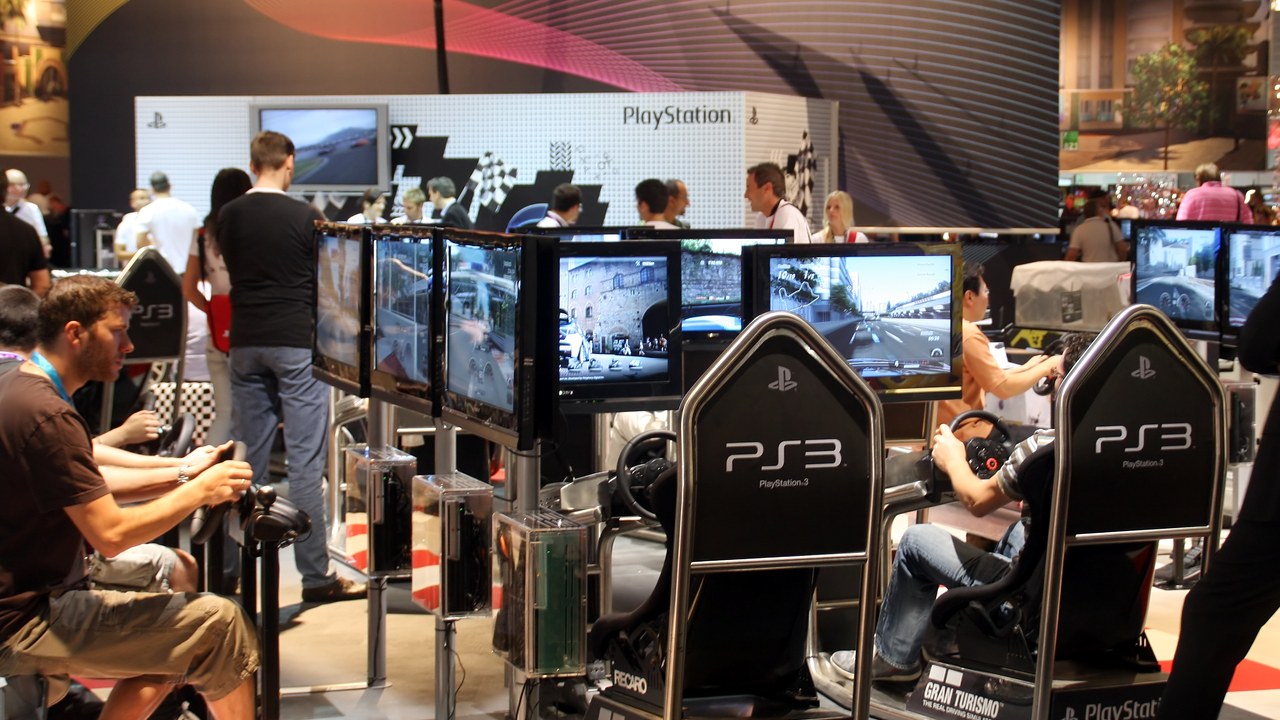
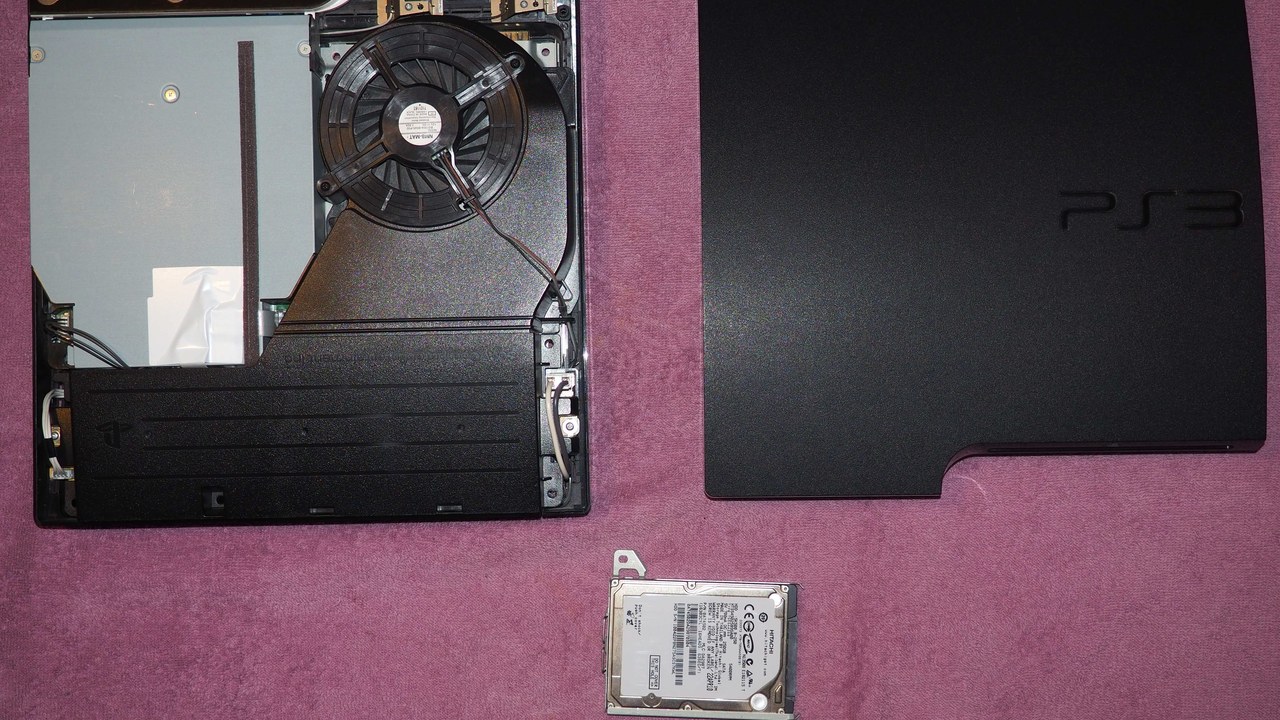
I keep returning to the same observation: Sony's handheld story may be decided by silicon access rather than design details alone. The photos of a PlayStation 3 booth and an opened PlayStation 3 show how console hardware often moves through visible stages, from public demos to internal design choices. They are not the device in this story, but they help frame why chip access matters. A newer mobile SoC can change how a Sony device feels in the hand, how often games run smoothly, and how the company must balance battery, heat, and price. The available details leave some questions open, but they give enough to say that the real tradeoff is between exclusivity and shared platform momentum.